04/03/2026
Complete Guide to Construction Jobs in the UK: Roles, Salaries & How to Apply in 2026
Construction jobs in the UK in 2026 include roles across skilled trades, civil engineering, site management, quantity surveying, and project leadership. Salaries range from £25,000 for entry-level labourers to over £80,000 for senior project managers. Most roles require a CSCS card, relevant qualifications, and practical site experience.
Introduction
The UK construction industry remains one of the country’s largest employers, offering career opportunities across residential building, commercial projects, infrastructure, and green energy developments.
Whether you're starting your career or looking to move into a higher-paying role, understanding job categories, qualifications, and salary expectations is essential.
This guide covers:
- Types of construction jobs in the UK
- Salary expectations in 2026
- Required qualifications and certifications
- How to apply successfully
- Career progression pathways
Types of Construction Jobs in the UK
Construction roles fall into several key categories:
A. Skilled Trades
These are hands-on site roles and remain in highest demand.
Popular skilled trades:
- Bricklayers
- Carpenters & Joiners
- Electricians
- Plumbers
- Roofers
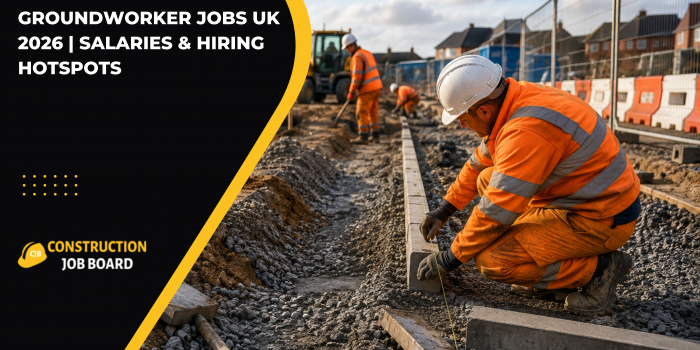
- Groundworkers
- Steel Fixers
Skilled trades are ideal for individuals who prefer practical work and strong earning potential without a university degree.
B. Site & Supervisory Roles
These professionals oversee daily operations and ensure safety compliance.
- Site Supervisors
- Site Managers
- Health & Safety Officers
- Forepersons
Leadership, experience, and certifications such as SMSTS are usually required.
C. Engineering & Technical Roles
These roles involve planning, design, and infrastructure management.
- Civil Engineers
- Structural Engineers
- Site Engineers
- BIM Technicians
- CAD Designers
Engineering roles often require formal qualifications or degrees.
D. Commercial & Management Roles
These professionals manage budgets, contracts, and overall project delivery.
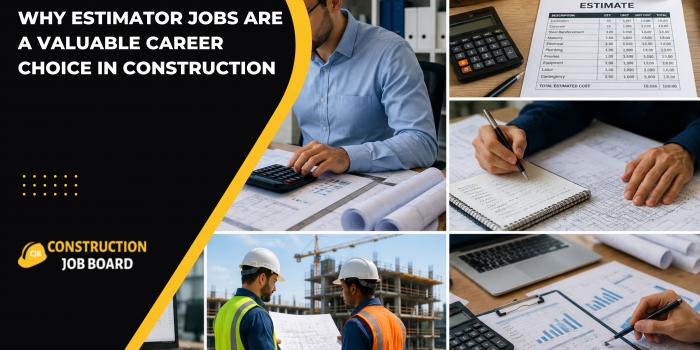
- Quantity Surveyors
- Project Managers
- Contracts Managers
- Construction Directors
These roles typically offer the highest salaries in construction.
Construction Salary Guide UK (2026)
Salaries vary by experience, region, and project type.
|
Role
|
Average Salary
|
|
Labourer
|
£25,000 – £35,000
|
|
Skilled Tradesperson
|
£35,000 – £50,000
|
|
Site Supervisor
|
£40,000 – £55,000
|
|
Site Manager
|
£45,000 – £65,000
|
|
Quantity Surveyor
|
£45,000 – £75,000
|
|
Project Manager
|
£55,000 – £80,000+
|
London and the South East typically offer higher wages due to project scale and cost of living.
Qualifications & Certifications Required
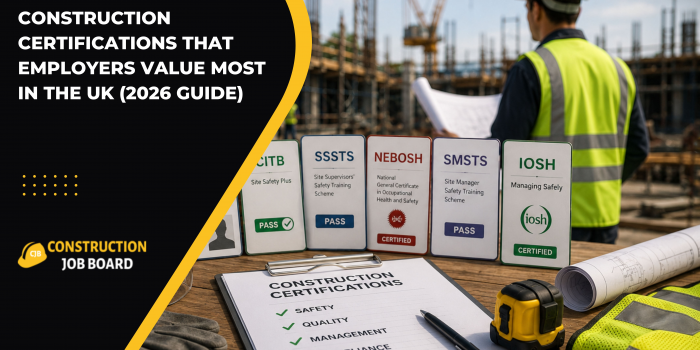
Most UK construction roles require certain safety and skill certifications.
Essential Requirements:
CSCS Card
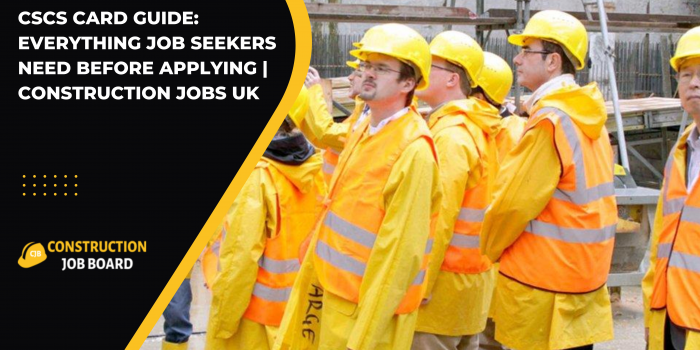
The Construction Skills Certification Scheme (CSCS) card is mandatory for most site roles.
NVQ Qualifications
Trade-based roles typically require NVQ Level 2 or 3.
SMSTS (for managers)
Site Management Safety Training Scheme certification is important for supervisory roles.
First Aid & Health & Safety Certifications
Increasingly required for on-site leadership roles.
Having the right certifications significantly improves employability.
How to Apply for Construction Jobs in the UK
Step 1: Create a Strong Construction CV
Your CV should:
- Highlight certifications clearly
- List site experience and project types
- Mention tools and equipment expertise
- Include measurable achievements
Keep it concise and relevant to the role.
Step 2: Search by Category
Use filters such as:
- Trade type
- Location
- Salary range
- Contract type (permanent / contract / temporary)
Apply to roles that match your certification level.
Step 3: Prepare for Interviews
Construction interviews often focus on:
- Safety awareness
- Past project experience
- Ability to meet deadlines
- Team collaboration
Supervisory roles may include scenario-based questions.
Apprenticeships & Entry-Level Opportunities
Construction is one of the few high-paying industries accessible without a degree.
Entry pathways include:
- Trade apprenticeships
- On-site trainee roles
- College vocational courses
- Labourer positions leading to trade qualification
Many workers start as labourers and progress into skilled trades or management roles.
Career Progression in Construction
A typical career path might look like:
Labourer → Skilled Tradesperson → Supervisor → Site Manager → Project Manager → Contracts Manager
Continuous upskilling increases earning potential.
Specialising in:
- Green construction
- Infrastructure projects
- Digital construction (BIM)
- Health & Safety
can accelerate career growth.
Regional Job Opportunities in 2026
High-demand areas include:
- London (commercial & infrastructure)
- Manchester (urban regeneration)
- Birmingham (transport projects)
- Leeds (housing development)
- Scotland (renewable energy projects)
Infrastructure and housing projects are major employment drivers.
Contract vs Permanent Construction Jobs
Construction offers both permanent and contract opportunities.
Permanent Roles:
- Stable salary
- Benefits & pension
- Long-term security
Contract Roles:
- Higher short-term pay
- Flexible projects
- Project-based assignments
Many experienced professionals prefer contract roles for higher earnings.
Future Outlook for UK Construction Jobs
Despite economic fluctuations, long-term demand remains strong due to:
- Housing shortages
- Infrastructure investment
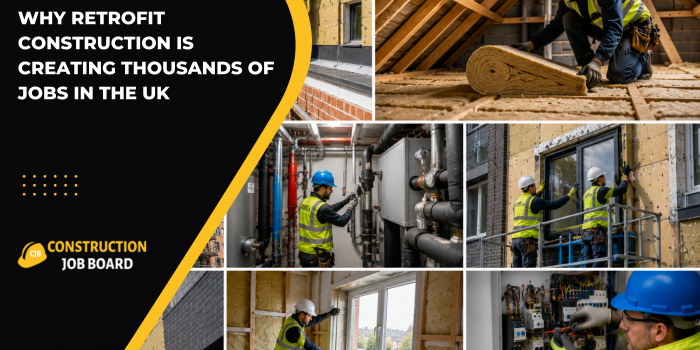
- Green building initiatives
- Urban redevelopment
The industry continues evolving with technology and sustainability trends.
Conclusion
Construction jobs in the UK in 2026 offer diverse opportunities across trades, engineering, and project management. With strong salaries, accessible entry routes, and consistent demand, construction remains a reliable and rewarding career path.
Securing the right qualifications, gaining experience, and staying updated on industry trends will position you for long-term success.
FAQs – Construction Jobs UK
1. Do I need qualifications to work in construction in the UK?
Most roles require a CSCS card and relevant trade qualifications such as NVQs.
2. What is the highest-paying construction job?
Project Managers and Contracts Managers typically earn the highest salaries.
3. Can I work in construction without a degree?
Yes, many skilled trades and supervisory roles do not require a university degree.
4. Are construction jobs seasonal in the UK?
Some roles may slow in winter, but large infrastructure projects provide year-round employment.
5. Is construction a stable career in the UK?
Yes, housing demand and infrastructure investment ensure long-term job opportunities.